
[EFF15S13] Session 13: Contemporary Essay Film
Description
On the final day of screenings and discussions, and to close Birkbeck’s inaugural Essay Film Festival, the focus fell on contemporary essay filmmakers who are engaging with current political struggles and complex historical memories from around the world.
Part one: Memory and Conflict
Films: Mined Soil, Filipa César, Portugal, 2014, digital, 30 minutes
In Mined Soil Filipa César reflects on soil as both a past and present source of wealth and site of exploitation. She juxtaposes Portugal’s Alentejo region and the former Portuguese colony of Guinea-Bissau, drawing on the writings of the agronomist Amilcar Cabral who led the war of independence in Guinea-Bissau from 1963 to 1973.
War is a Tender Thing, Adjani Arumpak, Philippines, 2013, digital, 70 minutes
The southern Philippines are home to one of the longest-running wars in the world, a war that the media has presented as one of a conflict of cultures. Arumpac’s first-person essay documentary focuses on the lives of her relatives, using observation, testimony and her own voice, as she tries to understand and unravel the complexity of memory. The subjectivity of history is mined by the curiosity of the filmmaker, who interweaves a sensual tapestry of images and sound that heighten the mood of tension, expressing the truth of experience as much as the facts of war.
Part two: Forces and Volumes
Two films selected by May Ingawanij Adadol, University of Westminster
Films: A Ripe Volcano [Phukhaofai Phirot], Taiki Sakpisit, Thailand, 2011, digital, 15 minutes, Thai with English subtitles
“A Ripe Volcano revisits The Rattanakosin Hotel, the site where the military troops captured and tortured the civilians, students and protesters who were hiding inside the hotel during the Black May of 1992; and Ratchadamnoen Stadium, a Roman amphitheatre-styled Muay Thai boxing arena, which was built in 1941-45 during the Second World War and since then has become the theatrical labyrinth of physical and mental explosions. The work builds around the recollections of human experiences that took place within these spaces and shifts through the mental space distilled from the possessed memory of wounded time.” (source: https://ripevolcano.wordpress.com)
Chronicle of a Tape Recorded Over [Biên niên sử một cuộn băng bị xoá], Trinh Thi Nguyen, Vietnam, 2010, digital, 25 minutes, Vietnamese with English subtitles
“Using ‘exquisite corpses’, a method by which a collection of stories and images is collectively assembled, in which each collaborator adds to a composition in sequence, Nguyen Trinh Thi began her journey over the Vietnam War’s notorious Ho Chi Minh Trail. Tens of thousands of people died along this trail during the war as it was heavily bombed by the American army. Along these roads, the filmmaker asks local villagers to contribute their tales while the camera observes their present-day life, merging past with present and reality with fiction.” (source: DocNet South East Asia, Goethe-Institut)
Part three: Two Works by William E. Jones
Films: Psychic Driving, William E. Jones, USA, 2014, digital, 14 minutes, English
Psychic Driving deals with experiments on unwitting subjects involving hallucinogenic drugs and massive doses of electroshock. One of the subjects, the wife of a member of the Canadian Parliament, speaks out in an interview. The psychiatrist in charge, Dr. Ewen Cameron, treated patients in three stages – sleep therapy, psychic driving, and de-patterning – to destroy personalities then build them back up again. His funding came from the CIA. The source material of Psychic Driving is a VHS tape recorded from a 1979 television broadcast, the only existing copy in the National Archives of the United States. The tape’s degradation inspired frame-by-frame animation involving hundreds of passes of filters in Photoshop.
Model Workers, William E. Jones, USA, 2014, digital, 12 minutes, English
Model Workers presents a collection of paper money bearing images of workers. Intricately engraved details are arranged in chronological order; full views of the banknotes are in reverse chronological order, ending at the beginning: Mexico, 1914. The montage includes colonies and the independent countries they became, as well as former and present socialist states. Workers from Africa, the Americas, Asia, and Europe are represented. Only the world’s biggest capitalist powers – United States, Japan, United Kingdom, and the recently unified Eurozone – are missing. They do not acknowledge the source of their wealth on their currency.
Conclusion: Jem Cohen in Conversation
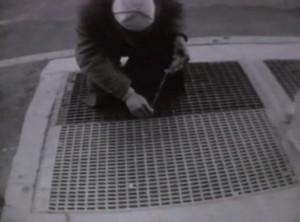
Film: Lost Book Found, Jem Cohen, USA, 1996, DigiBeta, 37 minutes, English
Jem Cohen is a political flâneur and poetic bricoleur, assembling his films from fragments shot at street level the world over. His work since the early 1980s has encompassed music videos, newsreels, documentaries and feature films. In Lost Book Found the discovery of a mysterious notebook serves as the key to a hidden New York, a meditation on forgotten narratives and the relics of late capitalism.
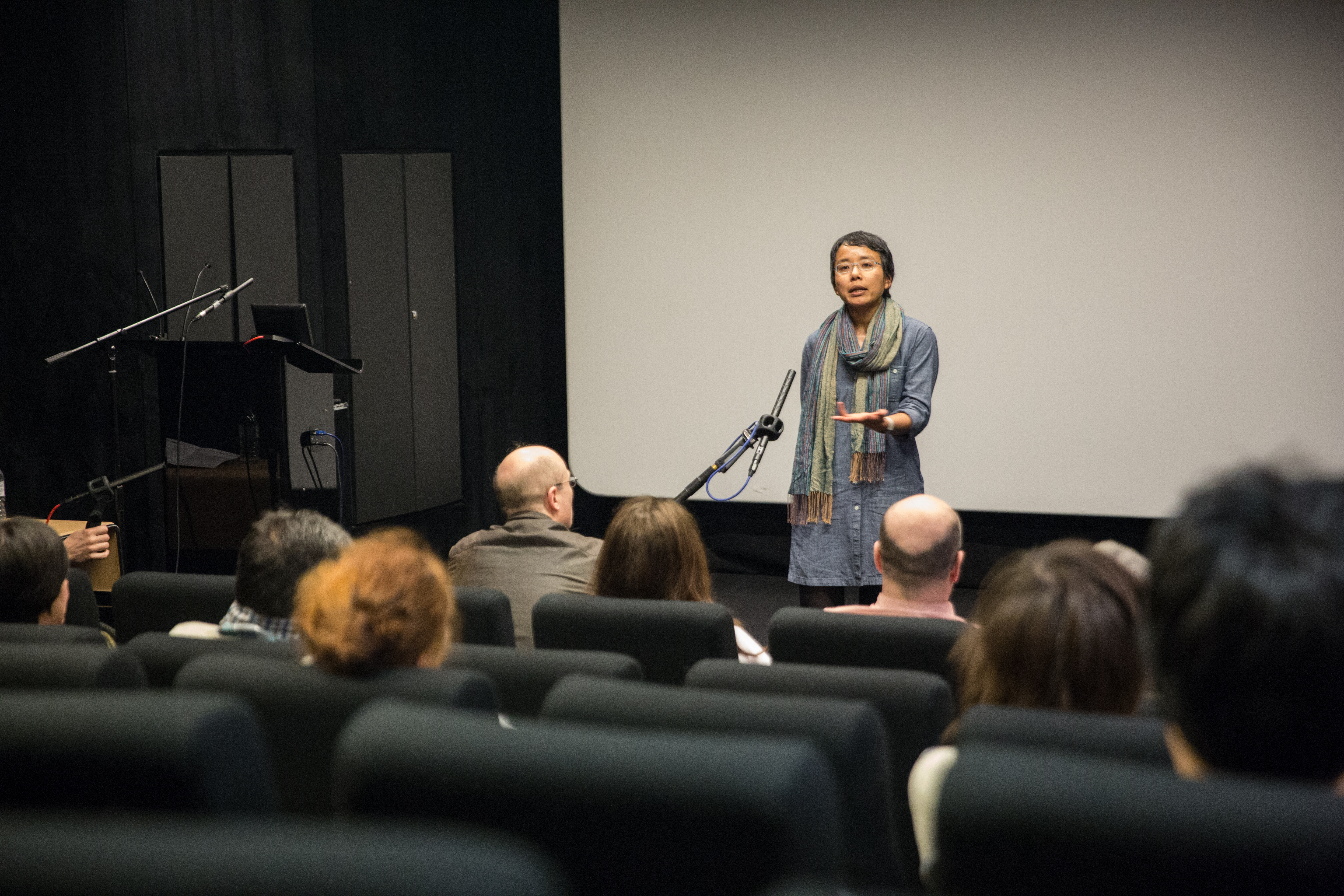
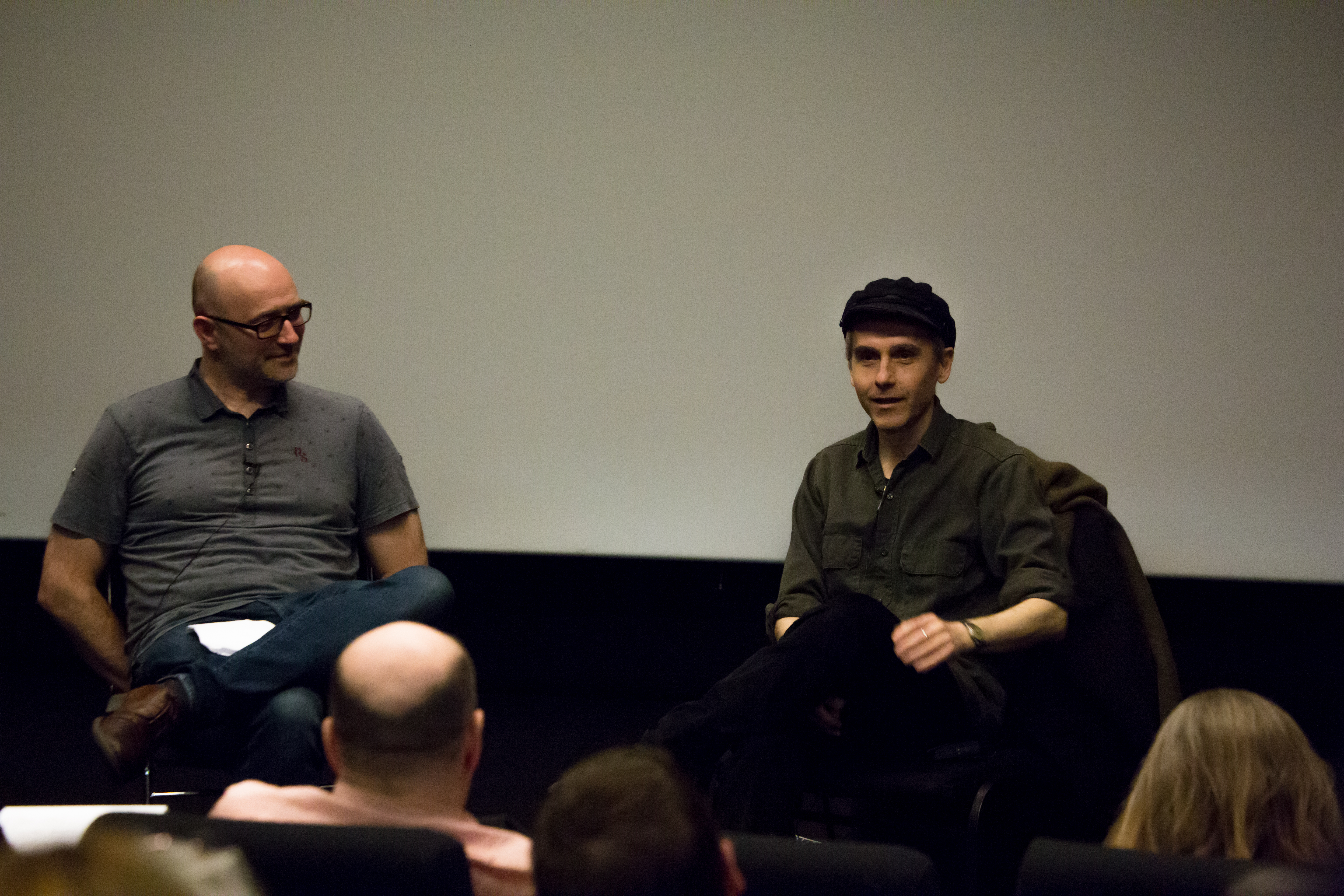
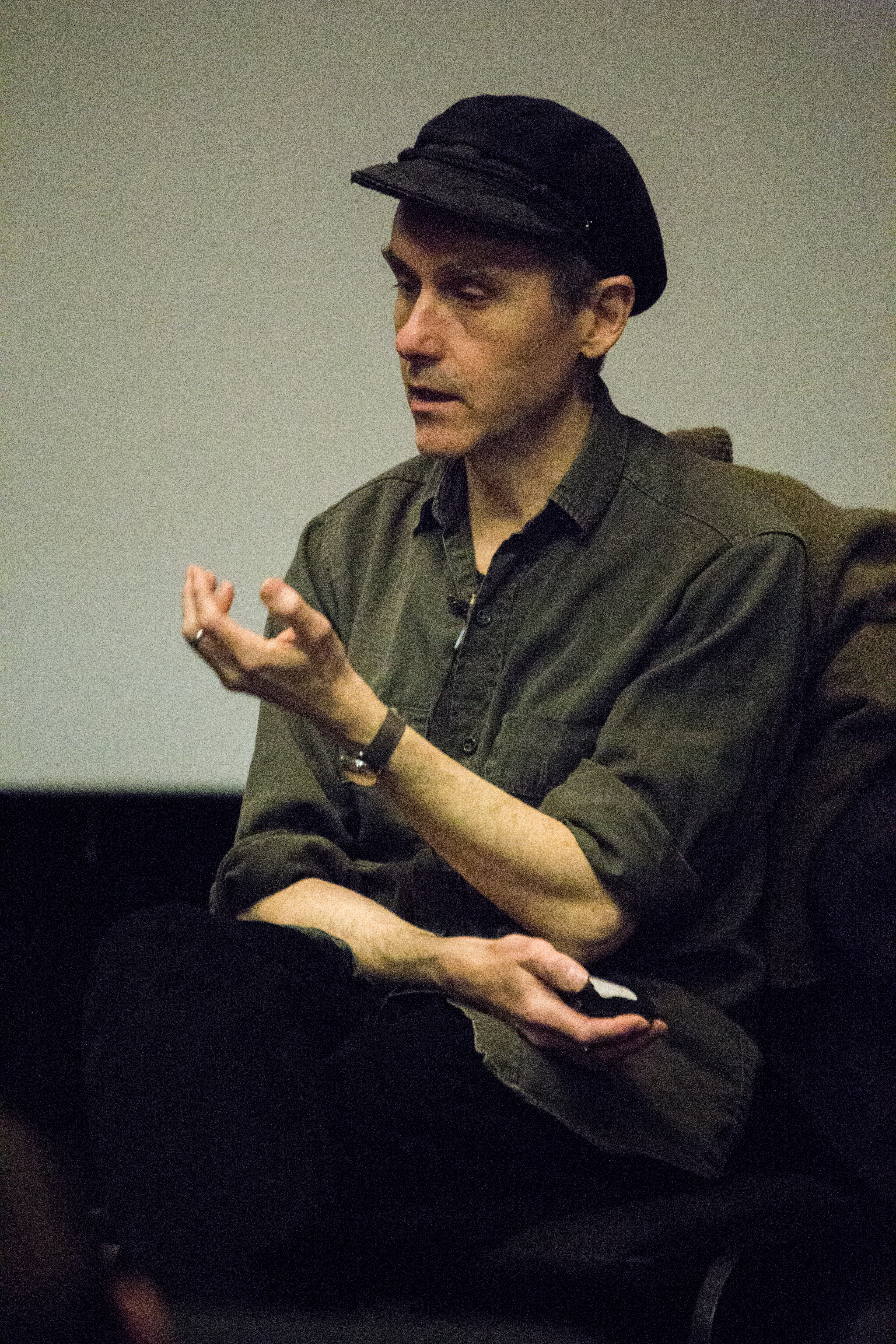
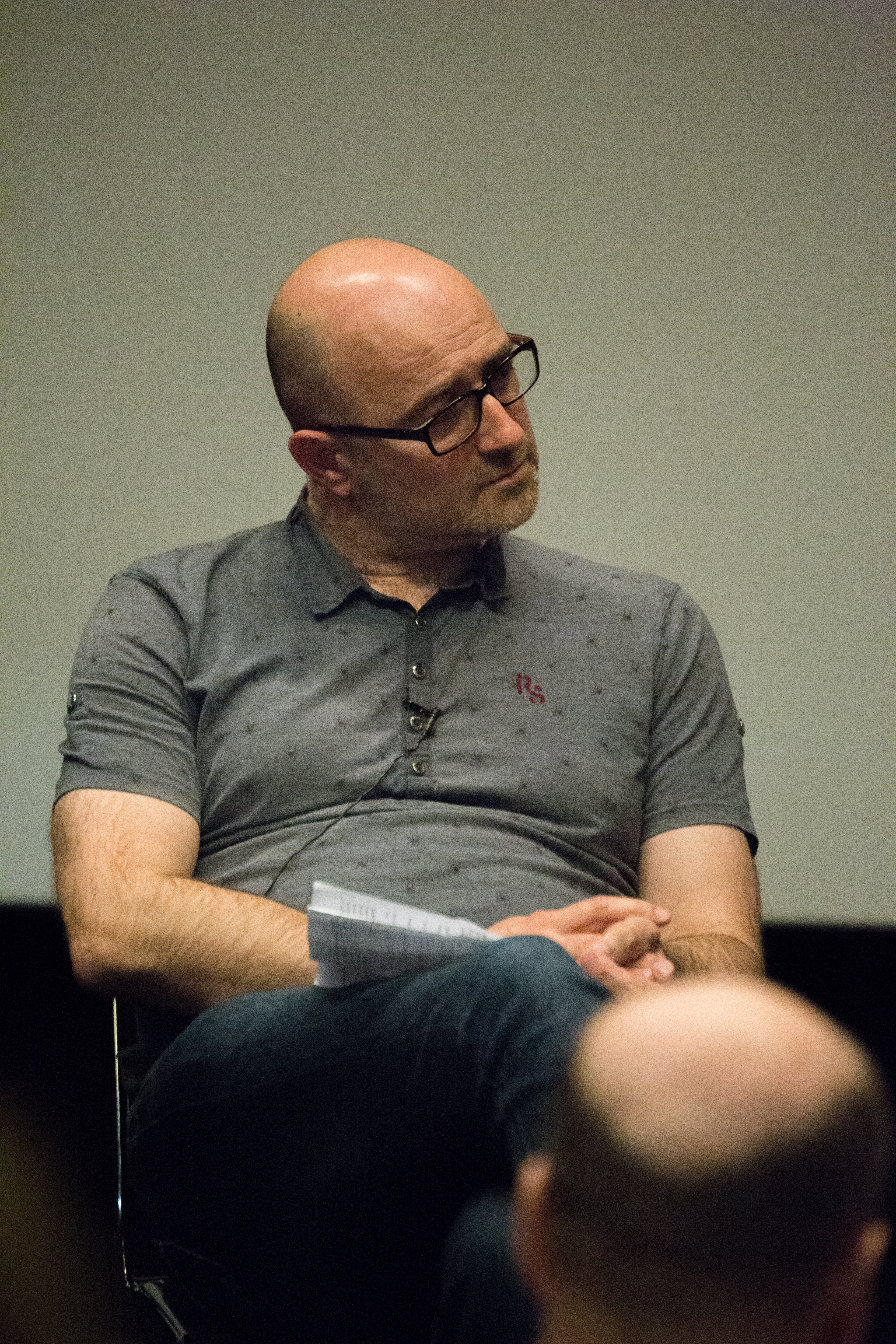
After the screening, Jem Cohen was in conversation with Kieron Corless, deputy editor Sight & Sound
Previews
1 - Session 13 intro (EFF15S13 Introduction Contemporary Essay 29.3.15.mp3)
2 - Session 13 Jem Cohen (EFF15S13 Jem Cohen 29.3.15 Edit.mp3)
3 - Session 13 May Adadol All (EFF15S13 May Adadol All 29.3.15 Edit.mp3)
4 - Session 13 Ricardo Matos Cabo (EFF15S13 Ricardo Matos Cabo - Model Workers 29.3.15 Edit.mp3)
Collection Method
Data Objects
Offline / Analogue Data Records
There are no offline / analogue datasets associated with this recordExternal Data Records
There are no external datasets associated with this recordDigital Data Downloads
To download and items from this dataset, you must agree to abide by the licence attached to the individual items. If you make use of any item you download, you must also cite it in any publication or outputs of your own.
If you have any questions or would like additional information, please contact us at researchdata@bbk.ac.uk.


Links and Collections
BiRD Collection(s):
Metadata
| Dataset Title: | [EFF15S13] Session 13: Contemporary Essay Film |
||||||||||||
|---|---|---|---|---|---|---|---|---|---|---|---|---|---|
| Creators: | Temple, Michael and Barrington, Matthew |
||||||||||||
| Dataset Contributors: |
|
||||||||||||
| Subjects: | |||||||||||||
| Data collection method: | The Essay Film Festival ran between 2015 and 2023, and presented a global range of contemporary and restored essayistic works. The events are now archived here for research purposes. |
||||||||||||
| Collection period: |
|
||||||||||||
| Statement on legal, ethical, and access issues: | All film stills were provided by participating artists. |
||||||||||||
| Depositing User: | Emma Yapp | ||||||||||||
| Date Deposited: | 07 Jul 2026 09:47 | ||||||||||||
| Last Modified: | 18 Aug 2026 10:02 | ||||||||||||
| Publisher: | Birkbeck College, University of London |
 https://orcid.org/0000-0002-2916-9876
Export / Share Citation
Impact & Reach

Additional statistics for this dataset are available via IRStats2.